 Civil Resilience
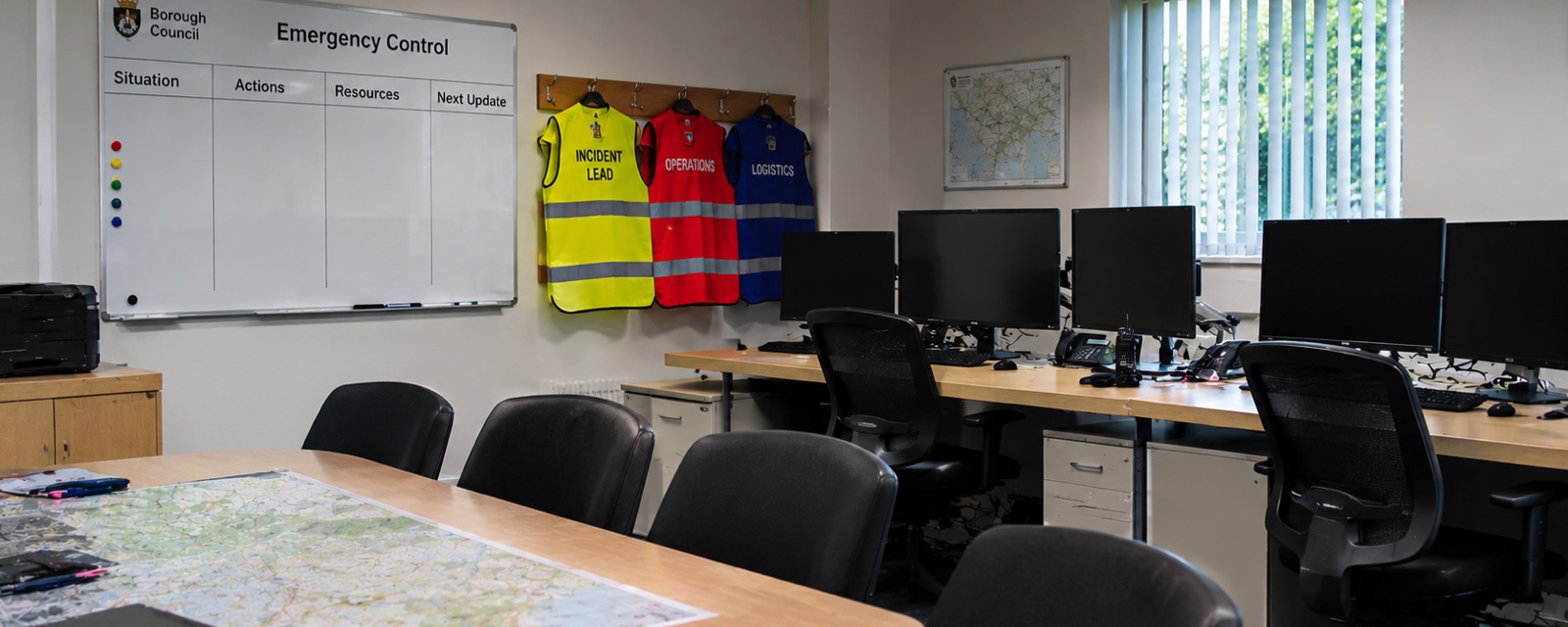
Gold, silver and bronze
- Bodies and roles
Gov.uk guidance on emergency response and recovery says command, control and co-ordination are important concepts in the multi-agency response to emergencies, and distinguishes "single agency command and control structures (often termed gold, silver and bronze)" from the multi-agency co-ordination structures convened at strategic, tactical and, exceptionally, operational levels.
The Northern Ireland guide to emergency planning arrangements describes the three levels. Operational level management "deals with the activities being undertaken at an incident site and is primarily task orientated"; many day-to-day incidents are dealt with at this level alone, and it "is sometimes known as 'Bronze'". Tactical level management "provides support for the operational response", including determining priorities where resources are limited and providing mutual aid; it is usually needed only where there is more than one incident or site or a particularly large or complex response, and "is sometimes known as 'Silver'". Strategic level management "involves establishing policy, determining strategy, anticipating requirements and making senior command decisions", is used only in very large or complex incidents, and "is sometimes known as 'Gold'".
The guide adds that these levels operate within each organisation in a way that suits its own working practice. For the police, the operational commander would be at the site, the tactical commander close to it, and the strategic commander at a central location.
In practice
Bronze is at the scene, silver supports the scene, gold sets the strategy away from it.
Related terms
Sources
Last updated 29 October 2026. Reviewed 29 October 2026