 Civil Resilience
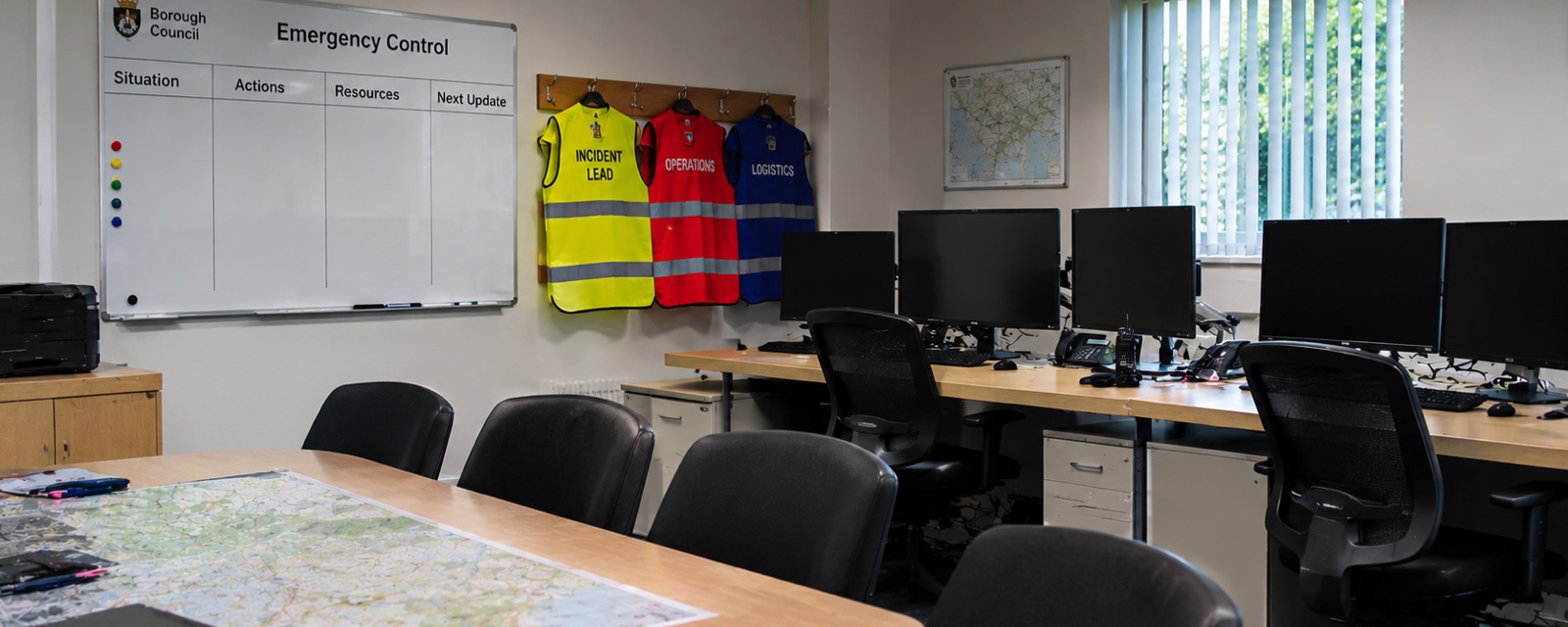
Response
- Bodies and roles
The Northern Ireland guide to emergency planning arrangements lists response among the activities of civil protection. Because no organisation has regular experience of major incidents needing a large-scale response from many bodies, "it is important therefore that when an incident, and especially a major incident, occurs all organisations are ready and equipped to respond according to their pre-prepared plans".
Gov.uk guidance on emergency response and recovery sets out "an agreed national framework for managing the local multi-agency response to, and recovery from, emergencies". Its chapter on agencies lists those likely to be engaged: police, fire and rescue, health bodies, HM Coroner, local councils, government agencies, the Armed Forces, the private sector, the voluntary sector and the community. Central government does not duplicate local responders, "who remain the basic building block of the response to an emergency". The guidance treats the response phase as distinct from recovery, which involves many more agencies and runs far longer.
The Be Ready website says most emergencies in the UK "are handled at the local level by the emergency services, local authorities and other relevant organisations such as utility companies and transport operators", with central government co-ordinating only where scale or complexity requires.
In practice
Response is the emergency services and the council working their plans; a household's part is to follow their advice and, as Be Ready says, not to turn up at the scene.
Sources
Last updated 29 October 2026. Reviewed 29 October 2026