 Civil Resilience
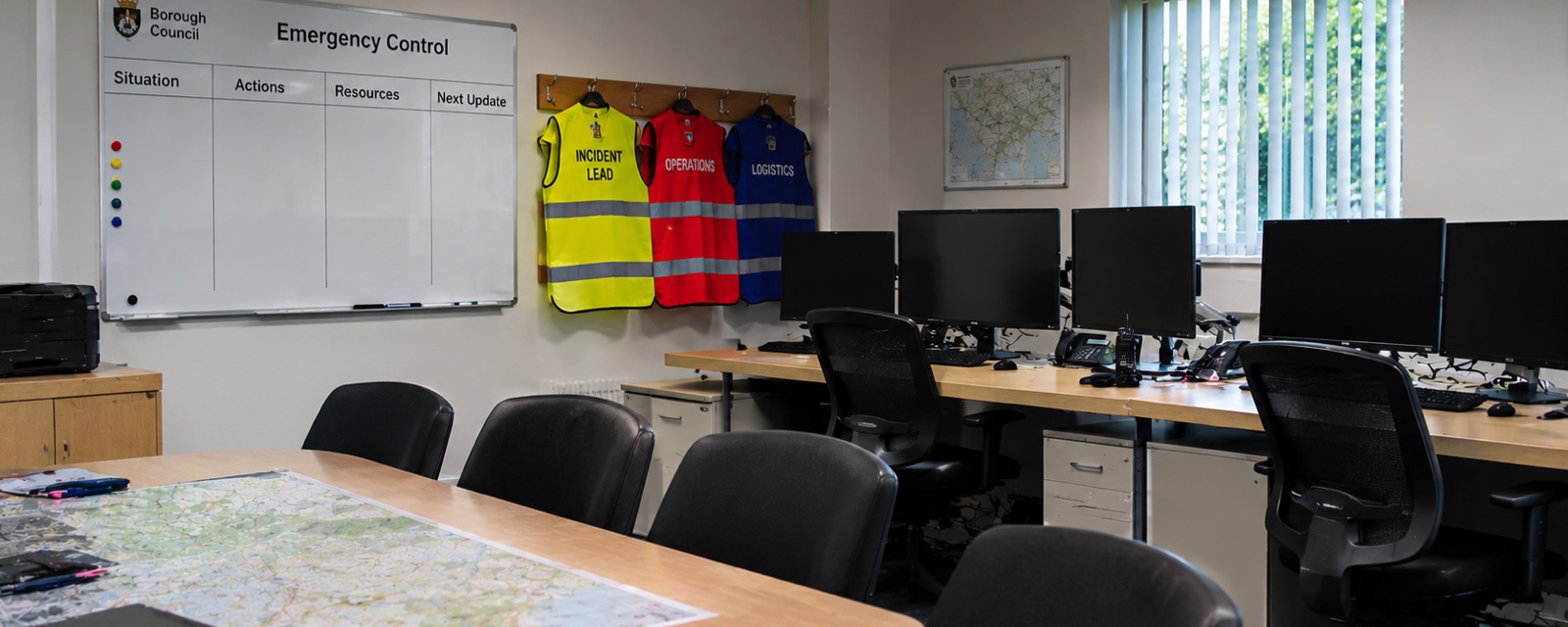
Preparedness
- Household
The Northern Ireland guide to emergency planning arrangements lists preparedness as one of the activities that make up civil protection, after assessment and prevention, reduction and mitigation, and before response and recovery. It says preparedness "involves a range of activities", and names four.
Preparation of plans: plans should be realistic and flexible, meet the assessed needs of the organisation, and state where responsibilities lie, what is expected of responders, what services and resources are required and how to access them, who has authority to take decisions, how communication will work and how actions will be co-ordinated with other organisations. Education: anyone with a role in a plan should know it and have the chance to practise it. Validation: a plan must be tested, from informal sessions through tabletop exercises to full live exercises. Review: after any test or real use, debriefing should analyse whether the planned response was fully effective.
The gov.uk guidance Emergency Preparedness carries the same word as its title; it is the statutory guidance on Part 1 of the Civil Contingencies Act 2004. For a household, Be Ready's advice on building up essentials gradually over time and checking them every six months is preparedness in the same sense.
In practice
A plan nobody has practised, or a stock nobody has checked, is the gap preparedness is meant to close.
Related terms
Sources
Last updated 29 October 2026. Reviewed 29 October 2026