 Civil Resilience
Water supply interruptions
Why mains water stops, what a household needs while it is off, who brings alternative supplies, and how to clear the taps afterwards.
- Utilities
What it is
A water supply interruption, or outage, is a loss of mains water to the home. Be Ready says the causes range from scheduled maintenance to burst water mains. Most are over quickly with little effect. Longer outages do occasionally happen and can be disruptive and distressing.
Water is needed for drinking, hand washing, food preparation including baby formula, bathing, pets, dishes, laundry and flushing the toilet. Anyone can become unwell from lack of drinking water. The people most affected are those who use more water because of a medical condition, babies and young children, older adults, and people with long-term health conditions.
What it does to a home
The taps stop or run discoloured. You cannot boil water for formula or sterilise bottles if the power is also off, which is why Be Ready says ready-to-feed formula is the safest option. Bottled water is not normally recommended for formula because it is not sterile and may carry too much sodium or sulphate. In rare circumstances when drinking water is unavailable or contaminated, still bottled water can be used if the label shows no more than 200 mg a litre of sodium and 250 mg a litre of sulphate, boiled and cooled for no more than 30 minutes. The NHS publishes advice on making up formula.
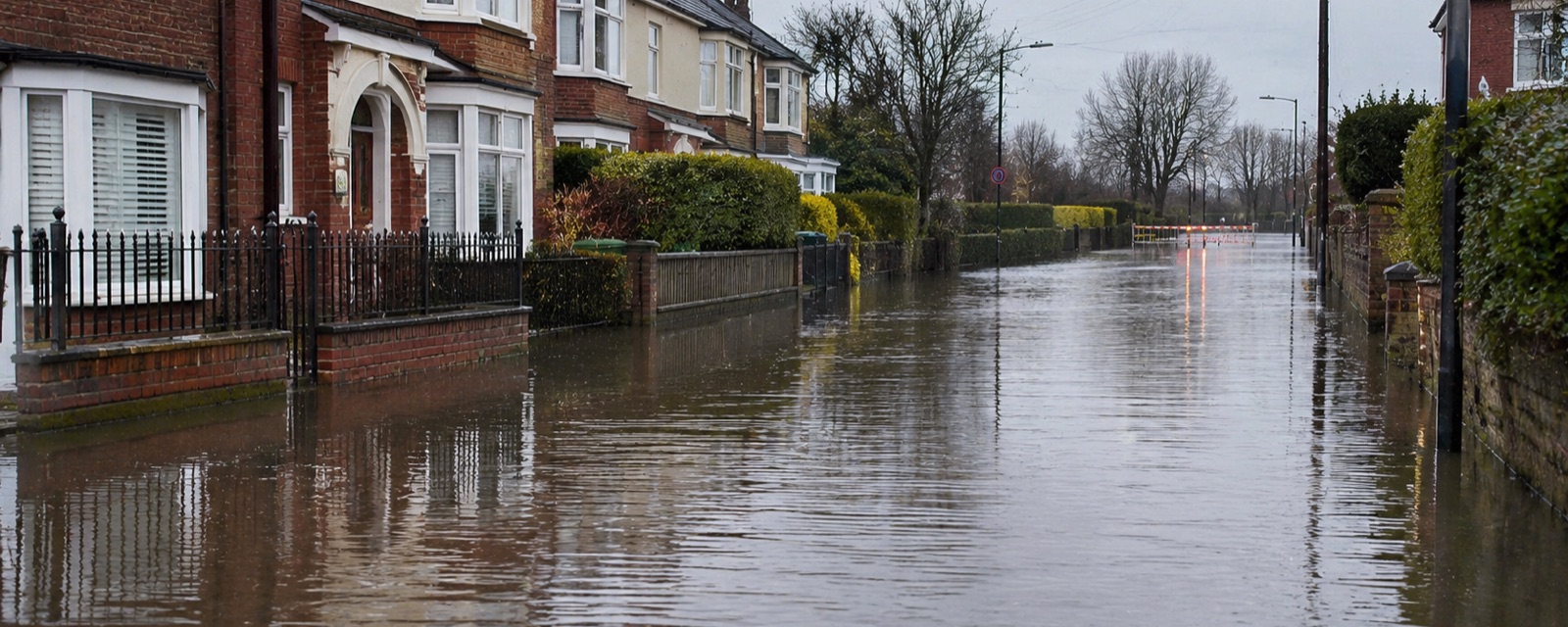
Storms can cause outages when fallen trees or flooding damage the network, and the mains supply can be disrupted during and after a power cut.
Who warns you
Your water company. Ofwat publishes what communication you should expect from the company during an interruption, and CCW, the water consumer body for England and Wales, answers household questions. Scottish Water shows supply status by area and takes reports of problems. NI Water publishes service updates for Northern Ireland.
The Priority Services Register at thepsr.co.uk is a free service across England, Scotland and Wales. Its water benefits include emergency bottled water and priority help during an interruption. You register once with your electricity network and the details are shared with your water company.
How the government assesses it
The National Risk Register 2025 plans for water infrastructure failure or loss of drinking water as a regional event, with one or more treatment works out and limited scope to reroute supplies. The scenario is a sudden loss of piped water, or water unfit to drink even after boiling, with knock-on effects on schools, hospitals and prisons. Water companies in England must plan for this and would rezone the network, tanker water in, call on mutual aid from other companies and provide alternative water as soon as possible, and within 24 hours, prioritised to vulnerable consumers and to sites such as care homes and prisons. Wales, Northern Ireland and Scotland have equivalent requirements. The local resilience forum coordinates the local response.
Where to look
- Your water company's website, found through water.org.uk/customers/find-your-supplier.
- Priority Services Register at thepsr.co.uk.
- Ofwat on supply interruptions, CCW household FAQs, Scottish Water and NI Water, all linked from the Be Ready page.
- Related pages: power cuts, droughts, storms, flooding.
Before
- Sign up to the Priority Services Register at thepsr.co.uk if you are eligible, and ask anyone you care for whether they are registered.
- If someone in the house relies on a medical device that needs water, agree a plan with the care team now.
- Keep bottled water at home. 3 litres of drinking water a person a day for three days is recommended, plus extra for baby formula, medical devices and pets.
- If you have no room for bottled water, keep water purification tablets and follow the label. Most other water sources need filtering before the tablets go in.
- Fit a water butt if you have outside space. Never drink from it. Use it for flushing toilets and watering plants.
During
- Check your water company's website for the position in your area and for places to collect alternative water.
- If you are on the Priority Services Register the company will arrange alternative supplies. Contact it at once if registered support has not arrived.
- Use bottled water only for drinking, hand washing and food preparation. Soft and fizzy drinks from the cupboard are safe to drink.
- Use ready-to-feed formula for babies. Powdered formula needs freshly boiled water, which you may not have.
- Wash hands in a large clean bowl of water with soap or household disinfectant. Keeping usage low makes alternative supplies last.
- Check whether neighbours who need extra support are also without water and offer to collect bottled water for them.
After
- Run the cold tap nearest your stopcock, usually under the kitchen sink, to clear discoloured water.
- Contact your water company if problems with the supply continue.
- Expect supply to return in stages. The National Risk Register says bowsers and bottled water stations stay in place until an area is reconnected.
Related pages
Sources
Last updated 29 October 2026. Reviewed 29 October 2026