 Civil Resilience
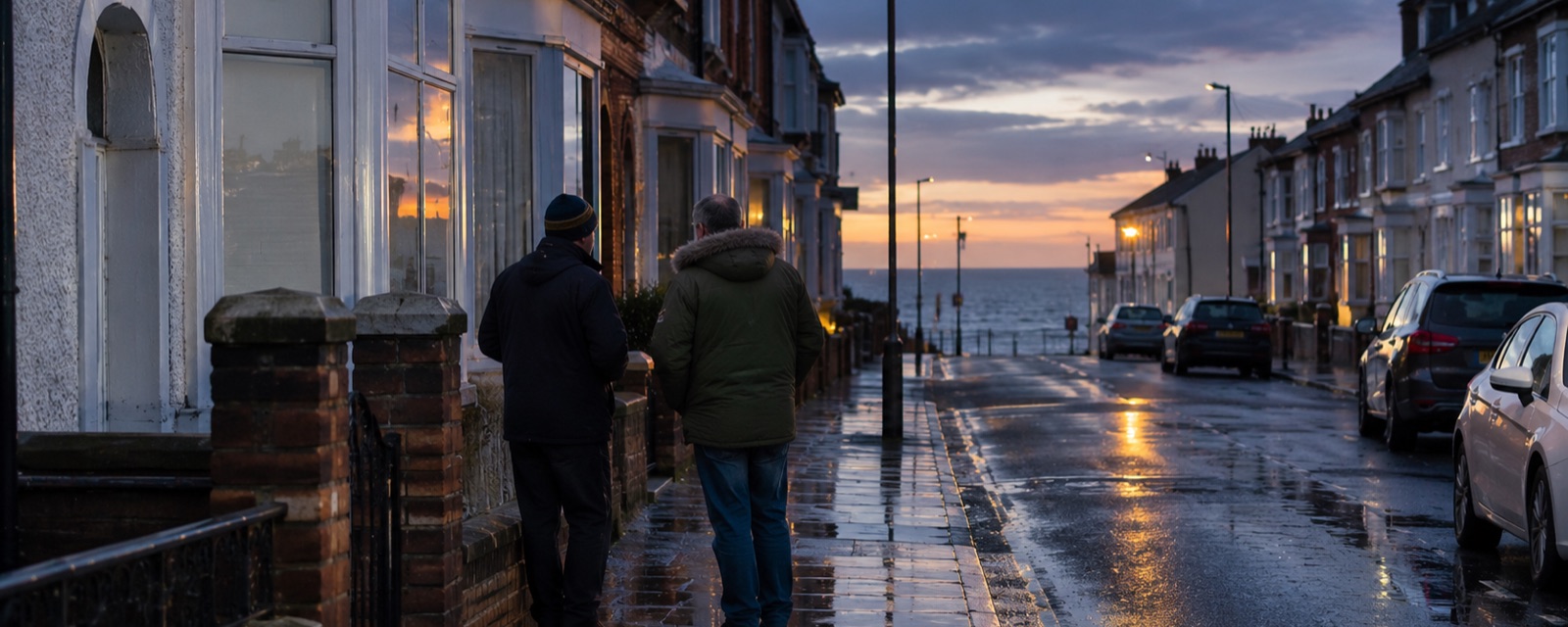
Checking on neighbours
What the government's Be Ready pages, the Priority Services Register and the British Red Cross say about knowing who lives near you, agreeing in advance who checks on whom, and what to do when the power, water or phones go.
- People
Before anything happens
The Be Ready page on volunteering and helping others starts with the neighbours. Get to know them, because they, or you, might need support in an emergency, and they might have skills such as first aid or languages that are useful to know about. Swap contact details and consider a messaging group or other closed online network for the street or building. Make a plan to check in on people who might need help if an emergency happens, particularly if the power goes out.
The phone and broadband outage page adds the arrangements that matter when nobody can call anybody. Identify the people nearby who may need assistance. Plan with neighbours who could help you, for example someone who could drive you to get help. Agree with people who live alone that if there is an outage and you cannot contact them, you will go to their home. Speak to the neighbours of anyone you would worry about and agree that they go round to check.
The British Red Cross asks each household: do the vulnerable people in my life have a plan?
Who may need checking on
Be Ready lists neighbours who may need checking on in person: those with additional medical needs, people new to the area, people who cannot use the internet or technology well, and people who do not speak or read English well. In a disruption their usual carers or family members might not be able to reach them. The hazard pages add people who live alone, people who rely on personal alarms or connected health monitors, people who depend on a landline to call 999, babies and young children, older adults, and people with long-term health conditions, who are the most likely to become ill in the cold.
During a power cut
Check in on neighbours and, if you are able, offer to share blankets, clothing or supplies such as food. Pass on anything you have been told about the power cut, such as when supply is expected back. A corded landline might still be working, and the mobile network may work for a while in some areas on backup power. A power cut is reported on 105, free in England, Scotland and Wales. See power cuts.
During a phone or broadband outage
Check in on neighbours, particularly anyone who lives alone or might need extra support, and make sure they know what is happening and have the help they need. See phone and broadband outages.
During a water outage
Check whether others nearby are also without water. If they are, you could offer to collect bottled water for them, and suggest they sign up to the Priority Services Register. Someone already on the register should have alternative supplies arranged by their water company; if they have not heard, they should contact the company as soon as possible. See water supply interruptions.
The Priority Services Register
The register is a free service across England, Scotland and Wales for customers who may need extra support when electricity, gas or water is interrupted, including people of pensionable age, people with a health condition, people medically dependent on a supply, and households with children aged five or under. You register once through the local electricity network operator and the details are shared with participating gas and water companies. The help can include a priority phone line, advance notice of planned work, welfare support from local authorities or the British Red Cross, and a nominated friend or family member who can speak to the company for you. More on the Priority Services Register.
Be Ready's advice to community groups applies to anyone knocking on doors: never do anything which puts yourself or others at risk.
Steps
- Get to know your neighbours and what support you or they might need in an emergency.
- Swap contact details and consider a closed messaging group for your street or building.
- Make a plan now for who checks on whom if the power goes out.
- Agree with anyone who lives alone that if you cannot reach them in an outage you will go to their home.
- Check in person during an emergency, because usual carers or family may not be able to get there.
- In a power cut, offer blankets, clothing or food, and pass on what you know about when supply is expected back.
- In a water outage, offer to collect bottled water and suggest the Priority Services Register.
- First make sure you and your own household are safe, and never put yourself or others at risk.
Related pages
Sources
- beready.campaign.gov.uk/play-your-part-in-your-community/volunteering-and-helping-others
- beready.campaign.gov.uk/play-your-part-in-your-community/information-for-communities-and-community-groups
- beready.campaign.gov.uk/be-informed-about-hazards/power-cuts
- beready.campaign.gov.uk/be-informed-about-hazards/phone-broadband-outages
- beready.campaign.gov.uk/be-informed-about-hazards/water-supply-interruptions-or-outages
- www.thepsr.co.uk
- www.redcross.org.uk/get-help/prepare-for-emergencies
Last updated 29 October 2026. Reviewed 29 October 2026